

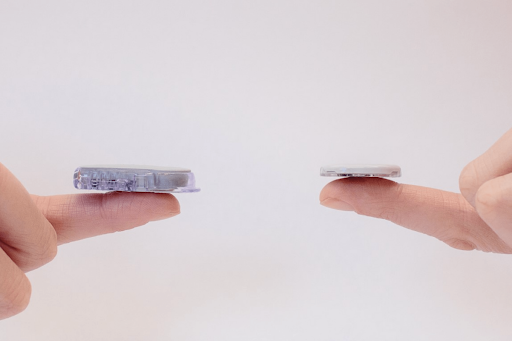
For people living with diabetes, keeping track of blood sugar levels is a big part of daily life. Finger-prick testing has been used for a long time, but continuous glucose monitoring has changed how many people check and understand their glucose. When comparing Dexcom G7 vs finger prick testing, the key difference comes down to how much information each method gives.
A finger stick shows your blood sugar at one moment, while Dexcom G7 keeps tracking your glucose all day and night. That ongoing view helps many people spot patterns and shifts they would otherwise miss, which can make a real difference in managing diabetes every day.
Why More Diabetics Are Choosing Dexcom G7 Today
See why people are switching from finger-prick testing to Dexcom G7. Get continuous glucose insights, fewer interruptions, real-time alerts, and a clearer understanding of your diabetes management every day.
What Finger Stick Testing Can and Cannot Tell You
Finger-prick testing is a method people with diabetes have relied on for years. You use a small lancet to get a drop of blood, place it on a test strip, and a glucose meter gives you a reading in seconds. It is quick, simple, and many doctors still include it in diabetes care plans. It works well for checking glucose before a meal, after a workout, or when you think your levels might be off. Many people find it easy to use because it is straightforward, and they are already familiar with it.
The problem, though, is that it only tells you what your glucose is at that one moment. Blood sugar moves up and down all day depending on what you eat, how active you are, your stress levels, your sleep, and your medication. If you are not testing often enough, a lot can happen between checks without you knowing.
For example, you might test before lunch and get a reading that looks fine. But then your glucose could climb much higher an hour later without any sign of it. The same thing can happen during the night when you are asleep and not testing at all.This gap in information is exactly why many people have started looking at blood sugar monitoring alternatives that can give them a fuller picture.
How Dexcom G7 Works Differently
Dexcom G7 is a continuous glucose monitoring system. It uses a small sensor placed on the body that reads glucose levels all through the day and night, then sends that data to your phone or a small receiver.
Instead of checking in once or twice and seeing a single number, you can see how your glucose has been moving over hours. That gives you a much better understanding of what is going on with your body throughout the day. Another important feature is that Dexcom G7 shows trend information. You do not just see where your glucose is right now. You can also see whether it is climbing, dropping, or holding steady. That extra detail can make a big difference in how you respond. This is a large part of why continuous monitoring has become a growing choice as diabetes tracking technology for people who want more awareness of their glucose throughout the day.
Dexcom G7 vs Finger Prick Testing: The Main Differences
The conversation around Dexcom G7 vs finger prick testing is really about understanding what each method offers rather than deciding which one wins.
A finger stick gives you a snapshot. It answers the question of where your glucose is right now. Dexcom G7 gives you a continuous stream of information. It shows you how your glucose moves before and after meals, during exercise, while you sleep, and during everything else in between.
Some of the clearest differences include:
- Finger sticks provide single readings at specific moments, while Dexcom G7 provides continuous glucose data around the clock.
- Finger sticks require you to test manually throughout the day, while Dexcom G7 tracks glucose automatically.
- Dexcom G7 includes trend arrows and alerts that traditional testing simply cannot provide.
- Continuous monitoring can help reveal patterns that repeat over days or weeks, which single tests are unlikely to show.
Both approaches give useful information. However, what you get from continuous monitoring is a much broader view compared to what any single finger stick reading can tell you.
Why Glucose Trends Matter
A lot of diabetes-related decisions are based on more than just one number. To understand how your glucose responds to food, exercise, medication, and daily habits, you really need to look at what is happening over time. Take someone who regularly wakes up with high glucose levels. A finger stick can confirm that the reading is high, but it cannot explain what happened during the hours before. Without more data, it is hard to know whether glucose crept up slowly or moved around a lot during the night.
Continuous monitoring fills in those missing hours. Rather than a few isolated numbers, you get a clear view of how glucose moved over several hours. That information helps both you and your doctor notice patterns and make better-informed decisions. This is a core reason why so many people find real value in the continuous glucose monitoring benefits that come with systems like Dexcom G7.
Check Your Dexcom G7 Eligibility With Medically Modern
Is Dexcom G7 More Accurate Than Finger Stick Testing?
A question many people ask early on is, Is Dexcom G7 more accurate than finger stick testing? The answer is not black and white. Finger sticks measure glucose from a blood sample taken directly from your finger. Dexcom G7 measures glucose from the fluid found just under your skin, which is called interstitial fluid. Because these are two different sources, readings will not always match up exactly at every moment. But accuracy is not the only thing worth thinking about here. Many healthcare professionals point out that trend data, pattern recognition, and continuous visibility also carry a lot of weight when it comes to managing diabetes well. A finger stick tells you a number. Continuous monitoring tells you a story.
For anyone researching Dexcom G7 accuracy, it is worth knowing that modern CGM systems are built to give reliable readings while also helping users catch trends that a single test would never show. Many people find that understanding where their glucose has been, and where it seems to be heading, is just as useful as knowing the exact number at any given second.
CGM vs Glucose Meter: More Than Just a Number
When people compare CGM vs glucose meter options, it usually comes down to what kind of information each one provides.
A glucose meter answers one question: What is my glucose right now?
A CGM answers a bigger question: what has my glucose been doing all day?
That difference is more meaningful than it might seem. Two people could have the exact same glucose reading at the same moment, but one might have been stable for hours while the other is rising fast. A single number looks the same in both cases, but the situations are very different. Trend information is what shows you which one you are dealing with.
Learn More About Dexcom G7 Through Medically Modern
Which Is Better: Dexcom or Regular Glucose Monitoring?
When people ask, Which is better, Dexcom or regular glucose monitoring?, there is no single answer that fits everyone. Some people do well with traditional testing and get the information they need from routine finger sticks. Others find that having continuous data, trends, and alerts gives them a level of understanding they simply could not get before. A lot of it comes down to what you are looking for and what your healthcare provider recommends. As more people explore their options, organizations like Medically Modern are there to help them figure out whether continuous glucose monitoring might be a good fit.
How Medically Modern Supports Access to Diabetes Technology
Navigating insurance coverage, eligibility requirements, and the steps involved in getting a CGM can feel overwhelming. Medically Modern works with people who are interested in continuous glucose monitoring and helps simplify that process for eligible patients.
For anyone looking into Dexcom G7, Medically Modern can help answer questions about coverage, eligibility, and how to get started. Their goal is to make access to modern diabetes technology as straightforward as possible.
Conclusion
When comparing Dexcom G7 vs finger prick testing, both methods offer useful glucose information, just in different ways. Finger sticks give a reading at a specific moment, while Dexcom G7 tracks glucose continuously and shows how levels move over time. For many people, that ongoing view brings a much deeper understanding of how meals, activity, sleep, and daily habits affect blood sugar. Traditional testing still has its place in diabetes care, but continuous monitoring gives a broader picture that many users find genuinely helpful. As diabetes technology keeps improving, tools like Dexcom G7 are making it easier for people to understand and manage their glucose health every day.
Frequently Asked Questions
1. Is Dexcom G7 more accurate than finger stick testing?
Finger sticks measure glucose directly from a blood sample, while Dexcom G7 measures glucose from the fluid just under the skin. Because of this difference, readings may not match exactly at every moment. However, the value of Dexcom G7 goes beyond a single number. It provides continuous data and trend information that helps users understand how their glucose is moving over time, which is something a finger stick alone cannot show.
2. What are the benefits of Dexcom over finger pricks?
Dexcom G7 tracks glucose all day and night without requiring constant manual testing. It shows trend information so you can see whether glucose is rising or falling, and it sends alerts when levels go outside your target range. All of this gives users a much fuller picture of their daily glucose patterns compared to checking with a finger stick a few times a day.
3. How does Dexcom improve daily diabetes management?
Dexcom gives users a continuous view of their glucose so they can see how their body responds to meals, activity, and other daily habits. Instead of working from a few isolated numbers, users can look at how glucose moved over hours and use that information in conversations with their healthcare providers. Over time, this helps people build a better understanding of their own glucose patterns.
4. Can Dexcom replace traditional blood sugar testing?
Many people use Dexcom G7 as their main monitoring tool and find it reduces how often they need to do finger sticks. That said, some healthcare providers may still recommend traditional testing in certain situations based on the individual’s needs and treatment plan. In many cases, the two methods can work alongside each other depending on what makes the most sense for the person.
5. Which is better, Dexcom or regular glucose monitoring?
The answer depends on the individual and their healthcare provider’s guidance. Traditional testing gives you a blood glucose reading at a specific moment, while continuous monitoring gives you ongoing data and trend information throughout the day. For people who want a broader view of how their glucose behaves, continuous monitoring tends to offer more to work with.
